Thinking about adding an accessory dwelling unit to your Portola Valley property, but not sure where to start? You are not alone. Between wildfire safety, septic systems, and design rules, it can feel complex. This guide breaks down what matters most so you can plan with confidence, budget wisely, and understand your return on investment. Let’s dive in.
Why build an ADU in Portola Valley
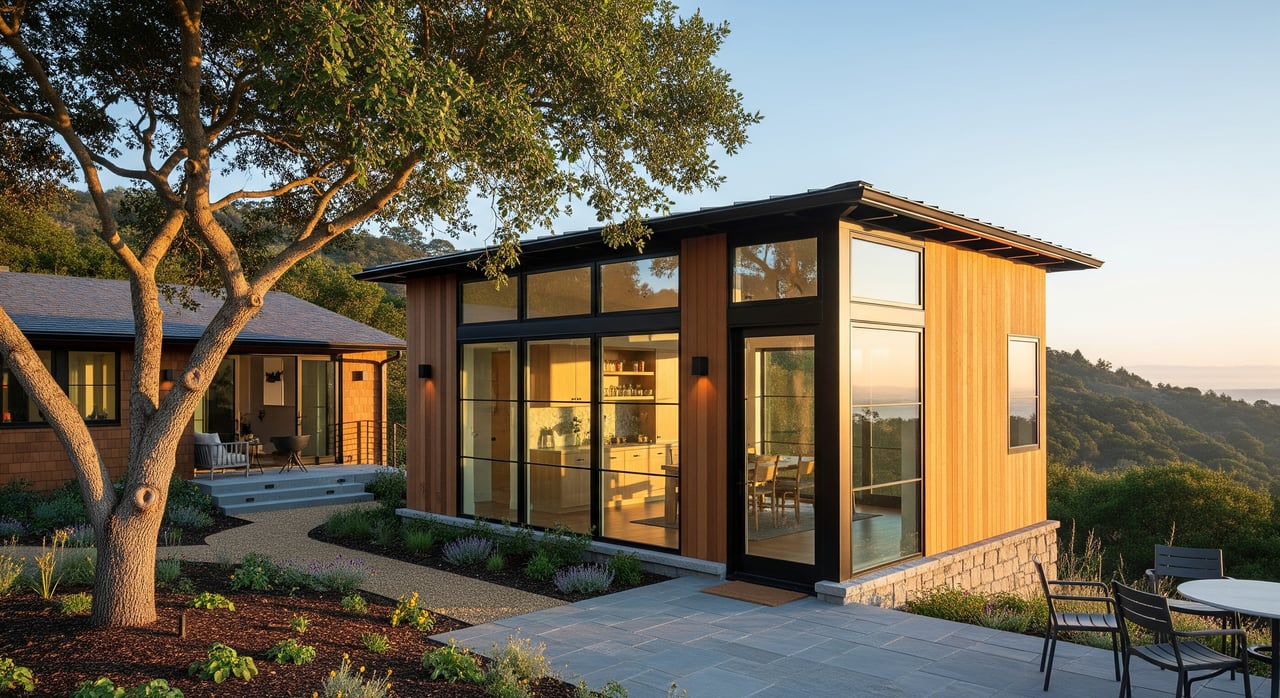
An ADU can create flexible space for guests, multigenerational living, or a private office. It can also generate long-term rental income. In Portola Valley, many parcels have generous lot sizes that can accommodate thoughtful siting and privacy.
Local conditions do add complexity. Much of the town sits within a wildland urban interface, and many homes rely on septic. Those factors shape design, cost, and timing. With a clear plan and the right team, you can navigate them successfully.
What state law allows
California supports ADUs through a pro-housing legal framework adopted since 2016. Here is what that means for you:
- Ministerial review in most cases. Your application should be evaluated under objective standards, which shortens the process.
- Limits on local restrictions. State law narrows when cities can require extra parking, owner-occupancy, or tight size limits beyond statutory minimums.
- Statutory review clocks. There are deadlines for agencies to act on complete ADU submittals. The common benchmark is about 60 days for ministerial review, though timing can vary if submittals are incomplete or other agencies are involved.
You still must meet objective local standards, like setbacks, height, fire safety, and utility rules. Always confirm current requirements with the Town of Portola Valley.
Local rules to know
Portola Valley is a low-density community with varied terrain. Local conditions that often affect ADU feasibility include:
- Zoning and site standards. Lot coverage, floor area ratio, setbacks, and height limits vary by district. These drive maximum ADU size and where you can build.
- Design review with objective standards. Expect architectural guidance so your ADU fits local character. State law requires standards to be objective for ministerial approval.
- Wildfire safety. Defensible space, ignition-resistant materials, and, in some cases, sprinklers or access improvements can be required. These choices impact design and cost.
- Septic systems. Many homes are not on municipal sewer. If you are on septic, system capacity and space for a replacement or expanded drainfield can limit bedrooms and location.
- Easements, slope, and habitat. Steep driveways, riparian corridors, and conservation easements can restrict siting or add engineering steps.
If your home is part of an HOA, review covenants early. State law limits some private restrictions, but rules still vary.
Feasibility checklist
Use this checklist before hiring a designer. A quick yes or no on each item will clarify your path and help you avoid rework.
Costs and what drives them
Bay Area construction is expensive, and Portola Valley’s terrain, wildfire, and septic factors can add to the budget. Here are typical drivers and ranges to frame expectations.
Major cost drivers
- ADU type
- Garage or interior conversion: usually the lowest cost per square foot.
- Attached addition: midrange cost due to structural tie-ins and foundation work.
- Detached new construction: highest total cost, given foundation, utilities, and a full envelope.
- Modular or prefab: faster in many cases, but site work, foundation, and permitting still add significant cost.
- Site complexity. Slopes, limited access, tree protection, and soil work increase cost.
- Utilities. Septic upgrades, sewer laterals, electrical service, and separate meters can add materially.
- Fire and code. Defensible space, ignition-resistant construction, and possible sprinkler requirements affect budget.
- Level of finish. A simple studio versus a high-end one bedroom leads to wide per-square-foot spreads.
Illustrative cost ranges
- Interior conversion: about $60,000 to $200,000
- Attached ADU: about $150,000 to $400,000+
- Detached site-built: about $200,000 to $600,000+ for 400 to 1,000 sq ft
- Prefab/modular module plus site work: about $150,000 to $350,000 for the module, with additional site and permit costs
- Soft costs and fees: add 10 to 25 percent or more for design, engineering, reports, plan check, and permits
- Contingency: budget 10 to 20 percent for uncertainty
Actual quotes vary. In Portola Valley, septic or fire upgrades and challenging access can push budgets higher. Obtain two to three local bids before committing.
Permitting and timeline
A clear process shortens your path. Here is what most homeowners experience locally.
- Preliminary checks: 1 to 4 weeks to review zoning, fire, and utilities, including septic if applicable.
- Design and engineering: 4 to 12 weeks for architecture, structural, grading, and septic or sewer design.
- Permit submittal and plan check: state law provides ministerial review with statutory timelines. Plan for about 60 days for complete applications, with more time if other agencies are involved.
- Fire and health reviews: often concurrent, but allow 2 to 8 additional weeks for access, sprinklers, or septic approvals.
- Construction
- Small conversions: 6 to 12 weeks
- Attached or small detached: 3 to 6 months
- Larger or complex sites: 6 to 12+ months
From first checks to move-in, expect about 6 to 12 months for simpler projects and 9 to 18+ months for complex or septic-impacted sites.
ROI basics and examples
Run a few quick calculations to understand payback and cash flow.
- Incremental cost (C): all-in build cost, soft costs, fees, and utility upgrades.
- Annual gross rent (R): market rent for the unit type and size.
- Operating expenses (O): insurance, maintenance, taxes, utilities if owner-paid, and vacancy. A common rule of thumb is 30 to 50 percent of rent.
- Simple yield = R ÷ C
- Net cash yield (before tax) = (R − O − debt service) ÷ cash invested
- Payback period = C ÷ annual net cash flow
Below are three illustrative examples. Replace the numbers with your quotes and current rents.
Conservative
- C = $300,000; rent = $2,500 per month ($30,000 per year)
- O = 40 percent of rent = $12,000 per year; no debt
- Gross yield = 10 percent; net income = $18,000; simple cash return ≈ 6 percent; payback ≈ 16.7 years
Moderate
- C = $350,000; rent = $3,500 per month ($42,000 per year)
- O = 35 percent = $14,700 per year; 20 percent down, 30-year loan at an assumed 6 percent, annual debt service ≈ $16,000
- Net cash flow ≈ $11,300; cash invested = $70,000; cash-on-cash ≈ 16.1 percent; payback on cash ≈ 6.2 years
Optimistic
- C = $400,000; rent = $4,500 per month ($54,000 per year)
- O = 30 percent = $16,200 per year; 50 percent financed; annual debt service ≈ $12,000
- Net cash flow ≈ $25,800; cash invested = $200,000; cash-on-cash ≈ 12.9 percent; payback ≈ 15.5 years on total cost
ROI is sensitive to small changes in rent, cost, and financing. Also consider non-monetary gains such as flexibility for family, a private office, or long-term property value.
Smart steps to start
- Book a pre-application conversation with the Town planning counter to confirm objective standards and process.
- If on septic, request an early feasibility opinion and confirm space for any drainfield changes.
- Speak with the fire authority about defensible space, access, and ignition-resistant construction.
- Gather two to three contractor bids, including a detailed line-item scope and allowances.
- Review HOA covenants and local rules for long-term or short-term rental use.
Common pitfalls to avoid
- Submitting incomplete plans without utility or site details, which restarts the review clock.
- Assuming a septic system can support added bedrooms without verification.
- Overlooking fire access, sprinklers, or defensible space until late design stages.
- Underestimating site work on slopes, tree protection, or staging access.
- Skipping a contingency. In this market, a 10 to 20 percent buffer is prudent.
Work with a local advisor
An ADU can be a smart way to add flexibility and value in Portola Valley, provided you plan for fire safety, septic capacity, and site conditions upfront. You deserve guidance that blends real estate strategy with practical design and construction insight.
If you are weighing an ADU as part of a purchase, a future sale, or a long-term hold, we can help you pressure-test feasibility, align the numbers with your goals, and connect you with experienced local pros. Ready to talk through your options? Schedule a Private Consultation with Jackie Schoelerman.
FAQs
Are ADUs allowed in Portola Valley?
- Yes, state law supports ADUs and the Town must allow them under objective standards. Your site must still meet local zoning, fire, and utility rules.
Do I need to provide new parking for an ADU?
- State law limits when cities can require new off-street parking, especially near transit or when exceptions apply. Confirm your exact situation with the Town.
Can I build an ADU on a septic property?
- Often yes, but system capacity and available space for an expanded or replacement drainfield can limit bedrooms and siting. Get a septic feasibility review early.
How long does the ADU process take?
- Simple projects can move from feasibility to move-in in about 6 to 12 months. Complex or septic-impacted sites can take 9 to 18+ months, including construction.
What does a one-bedroom ADU typically cost?
- Budgets vary widely by site and finish level. Many attached or detached builds fall between roughly $200,000 and $600,000+, with soft costs and contingency on top.
Will I need fire sprinklers or special materials?
- In wildfire-prone areas, defensible space and ignition-resistant materials are common requirements. Sprinklers or access upgrades may be required depending on your site.