How Portola Valley Neighborhoods Differ For Buyers
April 2, 2026
April 2, 2026
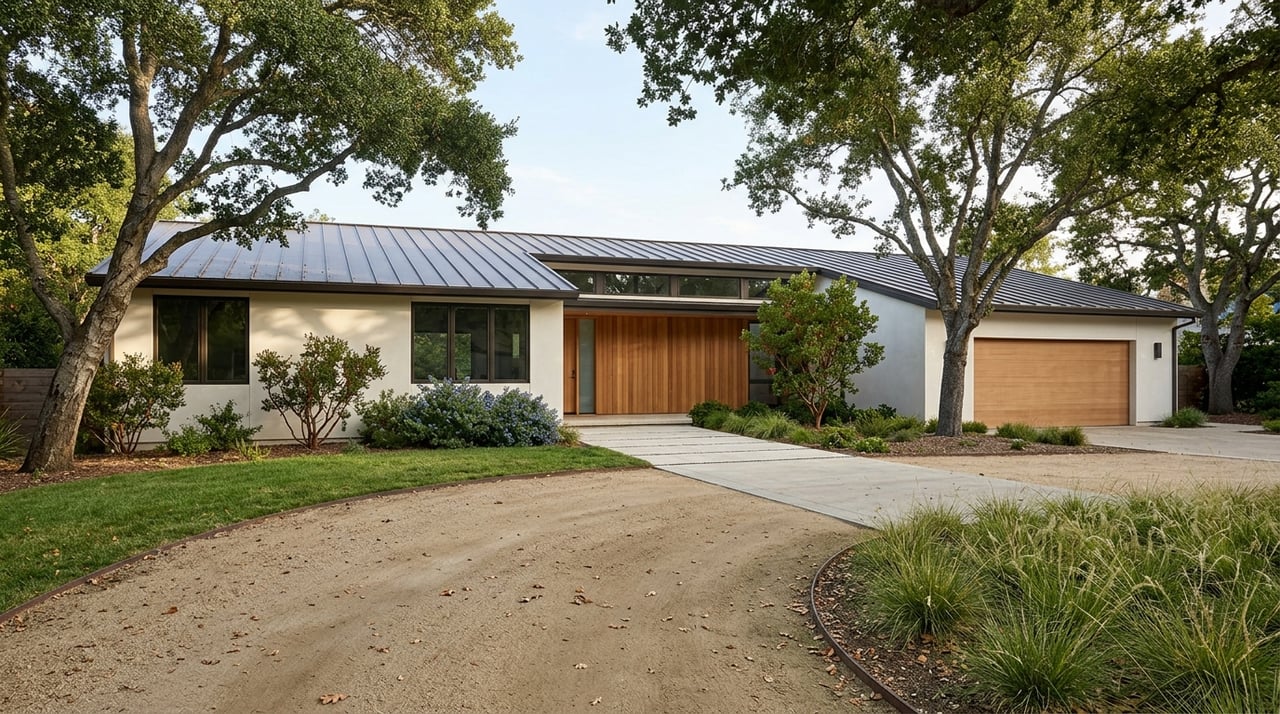
If you only look at Portola Valley by price, you can miss what really shapes your day-to-day life here. In a market with a median home price of $4,362,500 and just 15 homes for sale, the biggest question is often not whether you want Portola Valley, but which part of Portola Valley fits the way you want to live. This guide breaks down how four key pockets differ so you can compare privacy, lot size, amenities, commute patterns, and access to town services with more confidence. Let’s dive in.
Portola Valley is not a town of dense, look-alike subdivisions. Its planning framework is shaped by large lots, scenic corridors, hills, and preserved open space, which helps explain why one area can feel very different from another even within the same small town setting.
For you as a buyer, that means neighborhood selection has an outsized impact. The road pattern, terrain, access to trails, proximity to Alpine Road or Portola Road, and the presence or absence of shared amenities can all change how a home functions in daily life.
Portola Valley remains a premium, low-inventory market. According to realtor.com’s Portola Valley overview, inventory is limited, which can make fit and timing especially important when the right property becomes available.
In a market like this, buyers often benefit from narrowing their neighborhood priorities early. If you know whether you want acreage, easier access to town, a planned community, or a location tied more directly to Alpine Road and I-280, your search becomes much more focused.
Westridge is the most estate-like option of the four. The town’s road safety plan describes it as hilly, with large acreage, many cul-de-sacs, horse properties, and trail connections, which gives it a more secluded and rural character than the closer-in neighborhoods.
This is the pocket that tends to appeal to buyers who want space first. Larger parcels, more separation between homes, and a quieter road pattern can create a sense of privacy that is harder to find elsewhere on the Mid-Peninsula.
The tradeoff is convenience. Compared with neighborhoods more closely tied to Portola Road, Alpine Road, or Town Center, Westridge generally offers less direct commuting access in exchange for seclusion and larger landholdings.
Another point to note is neighborhood oversight. The town’s homeowners associations page lists a Westridge Architectural Supervising Committee, which suggests design review oversight rather than a traditional amenity-driven HOA setup.
Ladera stands apart because it is technically outside Portola Valley town limits. It is described in the town’s road safety plan as a hilly community west of Alpine Road and Interstate 280, with church, office, shopping, and dining uses along Alpine Road.
For many buyers, Ladera’s biggest advantage is access. Because of its relationship to Alpine Road and I-280, it can feel more directly connected for commuting and regional travel than some of the more interior Portola Valley pockets.
Ladera is also the clearest school-district outlier in this group. The town’s land-use element states that Las Lomitas Elementary School District serves Ladera, which is different from the public-school pattern typically associated with in-town Portola Valley neighborhoods.
That distinction matters because school routing should be verified by parcel, not assumed from a Portola Valley mailing address or neighborhood name. If school assignment is one of your priorities, this is an area where early diligence can save time and avoid confusion.
If you want a more planned-community experience, Portola Valley Ranch is the clearest match. The Portola Valley Ranch HOA describes it as a self-managed planned unit development with native plantings, adjacency to open space, and nearby access to Interstate 280.
Its amenity package is a major point of difference. According to the HOA, residents have access to the Ranch House clubhouse, dog park, fitness center, community garden, orchard, two pools, three tennis courts, trails, and a vineyard.
That setup creates a different lifestyle than the estate neighborhoods. Instead of prioritizing maximum private acreage, Portola Valley Ranch offers a more organized community environment with shared resources and a smaller-lot format.
Convenience is also part of the appeal. The HOA notes that Ormondale and Corte Madera are within 2 miles, which can be a meaningful day-to-day advantage for buyers who want easier access to schools and nearby town services.
Brookside Park is often the best fit if you want an in-town feel without the structure of a planned community. It is generally associated with smaller lots than the estate areas, plus a location that is closer to the town center and key local services.
The practical appeal here is straightforward. Homes near Portola Road and Brookside generally have easier access to the Town Center campus and local schools, including the county library, Community Hall, playing fields, Town Hall, and the Historic Schoolhouse.
For buyers who value shorter drives to town activities, community services, and local trailheads, that convenience can be significant. Brookside typically trades away some acreage for a more connected daily rhythm.
School routing is one of the most important details to verify in Portola Valley, especially because neighborhood lines do not always match what a buyer may expect. The town’s local schools page lists Ormondale K-3, Corte Madera 4-8, and Woodside High as the public-school options within the Portola Valley system, along with Woodland School and Woodside Priory as private options.
Ladera differs from that general pattern. As noted above, the town’s land-use element says Las Lomitas serves Ladera, so if you are comparing homes across these areas, it is smart to confirm district and school assignment on a property-by-property basis.
Portola Valley’s main thoroughfares are Alpine Road and Portola Road, and the town’s road safety plan notes that hills create narrow, winding roads and can make bicycle commuting more difficult in some areas. That topography is part of the town’s appeal, but it also affects how each neighborhood functions.
In broad terms, Ladera and Portola Valley Ranch are most directly tied to Alpine Road and I-280 access. Westridge leans more toward privacy and acreage, while Brookside tends to offer easier closeness to Town Center and central community amenities.
When you tour homes, it helps to think beyond map distance. In Portola Valley, road shape, grade, and route options can matter almost as much as raw mileage.
Here is a simple way to think about the four pockets:
| Neighborhood | Best fit if you want | Key tradeoff |
|---|---|---|
| Westridge | Acreage, views, seclusion, trail connections | Less direct commute convenience |
| Ladera | Easier Alpine Road and I-280 access, a distinct enclave feel | Different school-district structure to verify |
| Portola Valley Ranch | Shared amenities, planned-community living, smaller lots | Less private land than estate areas |
| Brookside Park | Close-in convenience, access to Town Center, smaller-lot in-town feel | Less acreage than more estate-oriented pockets |
The best Portola Valley neighborhood for you depends on what you want to optimize. If privacy, larger parcels, and a more estate-style setting lead your list, Westridge may stand out. If convenience to Alpine Road and I-280 matters most, Ladera or Portola Valley Ranch may deserve a closer look.
If you want shared amenities and a more structured community environment, Portola Valley Ranch offers a very different experience from the rest of town. If your priority is staying close to Town Center, local services, and the core in-town feel, Brookside Park is often the most practical match.
In a market with limited inventory, it helps to evaluate not just the house, but the neighborhood pattern around it. If you want a grounded, neighborhood-by-neighborhood strategy for Portola Valley, Jackie Schoelerman can help you compare fit, verify the details that matter, and move with confidence when the right opportunity appears.
Stay up to date on the latest real estate trends.
Buyer
August 26, 2026
Main
August 26, 2026
Buyer
August 26, 2026
Buyer
August 26, 2026

Seller
August 25, 2026
Seller
August 21, 2026
We Guide Homeowners through the complicated process of selling their home using our 4 Phase Selling Process and 3 Prong Marketing Strategy that alleviates their stress and moves them effortlessly to their next destination. Schedule a 15 Minute Complimentary Strategy Session Today