Dreaming of stepping out your back door and saddling up at home? If Woodside is on your list, you’re looking in one of the Bay Area’s most established equestrian communities. You want space, trail access and a property that actually works for horses, not just a pretty barn. In this guide, you’ll learn what equestrian living looks like in Woodside, how to evaluate properties, where you can ride, and the key rules and utilities to check before you buy. Let’s dive in.
Woodside at a glance
Woodside blends a semi-rural lifestyle with proximity to the Mid‑Peninsula. Parcels often include acreage, barns and private turnout. Inventory is limited and specialized, so you should expect premium pricing and property-specific due diligence. Smart buyers focus on layout, utilities, permits and access from day one.
What equestrian living looks like
Parcel sizes and layout
- Typical equestrian-friendly parcels range from about 1 acre to 10 or more acres. Many established horse properties are 2 to 10 acres.
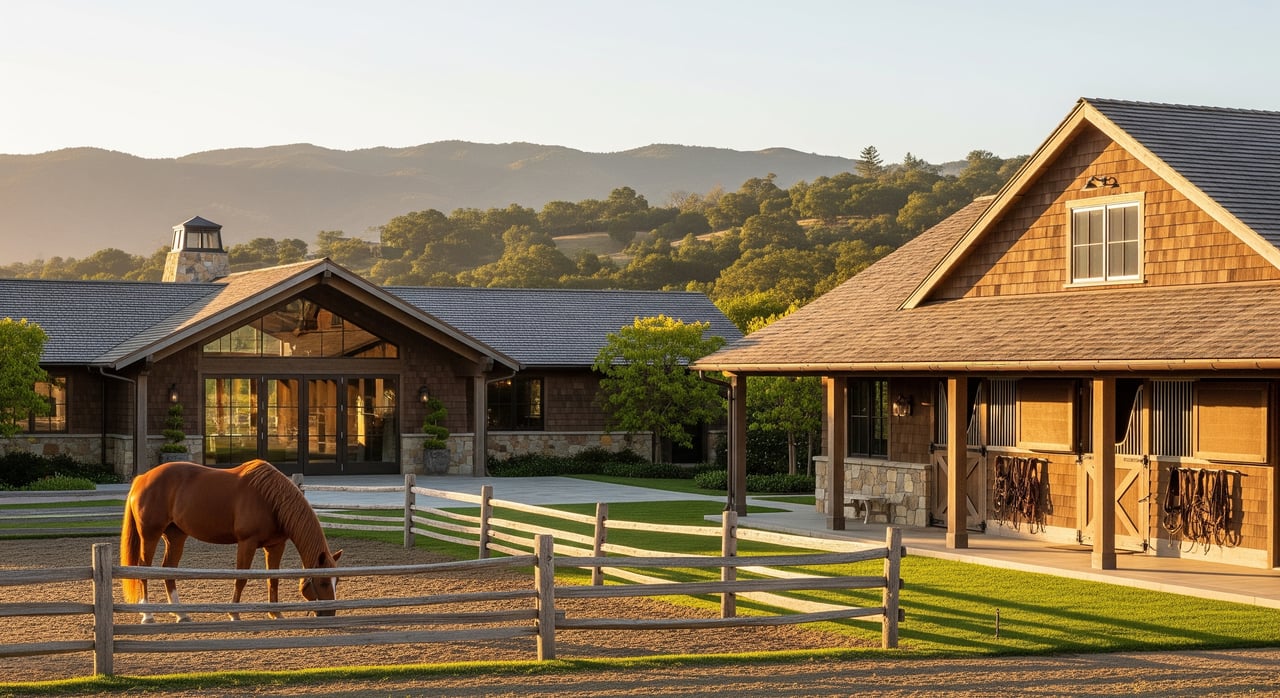
- Well-designed layouts place the barn and paddocks near the house for convenience, with separate arenas or round pens, pasture rotation areas and a clear trailer turnaround.
- Look for buffer space for manure storage, thoughtful setbacks and circulation that keeps daily chores efficient.
Fencing and turnout
- Common fencing types include post-and-rail wood, pipe fencing, vinyl rail and woven field fencing with a visible top rail. Some owners add an electrified top or bottom wire for containment.
- Cross-fencing helps rotate pastures and protect forage. Sacrifice or dry-lot paddocks reduce mud and wear near the barn.
- On sloped ground, you’ll often see terraced turnout and compacted or graveled access lanes to control erosion.
Barns, stalls and arenas
- Stall sizes commonly range from 10×10 to 12×12. Ventilation, safe electrical, and good drainage are essential.
- Practical features include feed and tack rooms, wash racks, dedicated hay storage set apart for fire safety, and space to park and stage a trailer.
- Outdoor arenas with appropriate footing are typical. Round pens support training and conditioning. Covered arenas are less common but may be present on larger properties.
Utilities that matter
- Many properties rely on private wells. You’ll want to confirm well depth, yield and storage, especially for drought years.
- Septic systems should be sized for the residence and any barn-related wastewater. Wash racks and concentrated barn areas may affect design and capacity.
- Barn electrical should support lighting and equipment safely and efficiently.
Permits, zoning and health basics
Every equestrian property is unique. Before you modify or build, confirm the rules and permits that apply.
Zoning and permits
- Check Town of Woodside Planning and Building requirements for barns, arenas and accessory structures. Subdivision CC&Rs may also limit animal counts or structure placement.
- Permits are usually required for new structures and many remodels. Site plan approvals may apply even for agricultural uses.
Water, septic and drainage
- Verify well performance with recent yield tests. Consider on-site storage to buffer seasonal supply.
- San Mateo County Environmental Health oversees septic permits and upgrades. Concentrated horse areas and wash water can trigger design changes.
- Manure handling and drainage plans are important for neighbor relations and vector control. Keep storage away from wells, watercourses and homes.
Fire safety and insurance
- Woodside sits within the wildland-urban interface. Create defensible space around homes and barns and store hay in well-ventilated, separated areas.
- If you plan to board or host riders, speak with your insurance provider about farm and ranch or equine liability coverage.
Riding access and trail culture
Woodside is surrounded by open-space preserves and regional trail networks. Many designated trails allow horses. Access can be seasonal and subject to closures, so always check official preserve maps and notices.
- Public preserves offer loop and point-to-point rides. Confirm horse-allowed segments before you plan routes.
- Some properties include private riding trails or benefit from recorded easements. Verify any trail easements and maintenance obligations during due diligence.
- Practice standard trail etiquette. Riders typically have right of way, but always review preserve-specific rules. Be mindful of dogs and narrow singletrack, and avoid sensitive trails during wet conditions.
Boarding and local services
You have several ways to keep and train horses in and around Woodside. Availability varies and waitlists are common, so plan ahead.
- Owner-kept at home: Maximum control and convenience. Requires daily care, maintenance and reliable backup.
- Self-care boarding: Rent stalls or pasture at a facility and provide your own care. Lower cost but higher time commitment.
- Full board: Facility manages feed, turnout and stall cleaning. Higher cost with reduced daily workload.
- Pasture board: Lower intensity and fewer services, best for suitable horses and seasons.
- Training barns: Coaching and conditioning programs with full or partial care.
Beyond boarding, you will want a reliable network of veterinarians, farriers, hay suppliers, tack sources, trailer service, and manure removal or compost options. Confirm current providers and scheduling before you move a horse.
What to inspect before you buy
A property can look idyllic and still miss key equestrian basics. Use this checklist during previews and inspections.
Facility and fencing
- Walk the fence line. Check material, height, post condition, visibility and hazards like loose wire or protrusions.
- Review gates and latches for safe daily use. Confirm separate access for vehicles and emergency equipment.
- Inspect barns for structural soundness, roof condition, ventilation, stall sizes, drainage and electrical safety.
- Verify hay storage is separated and ventilated for fire safety. Confirm a clean, well-drained wash area.
Water and septic
- Ask for recent well data. Confirm hydrants reach paddocks, arenas and wash stalls.
- Identify the septic tank and leach fields. Note age, capacity and last service. Watch for pooling water or unusually lush areas.
Pastures, soil and slope
- Evaluate grass health, compaction and bare spots. Consider rotation options and a designated sacrifice area.
- Note runoff paths and any erosion control measures, especially on slopes.
Access and neighbors
- Test trailer access: gate width, turning radius, driveway grade and surface. Identify safe parking and staging areas.
- Review CC&Rs or HOA rules for animal limits or noise restrictions. Confirm any recorded easements.
Permits and fire readiness
- Verify permits for existing arenas, barns and other improvements. Ask for plans or documentation if items were grandfathered.
- Confirm defensible space around structures and clear access for emergency responders. Identify on-site water storage and hydrants.
Financing and valuation tips
Equestrian properties are specialty assets. Choose a lender and appraiser familiar with rural and equine improvements. Appraisals should reflect land utility and improvements like barns and arenas. Build in time for well, septic and specialized facility inspections within your contingencies.
Ongoing costs to expect
Owning horses at home involves recurring expenses. Budget for:
- Hay and feed, with seasonal price swings.
- Farrier and veterinary care, including vaccines and dental.
- Fencing repairs, arena footing maintenance and equipment upkeep.
- Well pump service, water storage and septic maintenance.
- Manure removal or compost management.
- Insurance tailored to equestrian use.
Map and photo planning for buyers
When you are comparing properties, it helps to visualize the full lifestyle.
- Build a simple amenities map that shows the Woodside boundary, major roads, equestrian-friendly neighborhoods with larger parcels, nearby public trailheads that allow horses, and key services. Add layers for fire hazard zones and local flood areas where relevant.
- For property photos, look for clear images of barn layout with adjacent paddocks, cross-fencing types, arena footing, pasture condition across seasons, wash racks with drainage, and trailer access or turnaround. Trailhead photos with signage help confirm horse access and etiquette.
- Always use current, properly licensed images and credit photographers where required.
Next steps
If you are serious about a horse property in Woodside, start with a focused needs list and a readiness check on financing. Then preview shortlisted parcels with an equestrian-specific lens. A diligent approach up front will save time and protect value once you are in contract.
Ready to evaluate options or walk a property with an equine checklist? Connect with Jackie Schoelerman to schedule a Private Consultation. We can review site layout, trailer access, fencing, water and barn infrastructure, plus introduce specialized inspectors. Refer to Town of Woodside and San Mateo County for permits and official guidance.
FAQs
How many horses can I keep on a Woodside property?
- It depends on local zoning, parcel-specific rules and any CC&Rs. Manure management and setbacks also factor in, so confirm with Town of Woodside and San Mateo County.
Do I need a permit to build a barn or arena in Woodside?
- Usually yes. Most new structures and many remodels require permits and may need site plan review. Check with the Town of Woodside Planning and Building divisions.
Are there public trails near Woodside that allow horses?
- Yes. Many nearby preserves allow horses on designated trails, sometimes with seasonal closures. Always verify current official maps and rules before riding.
What utilities do equestrian homes in Woodside typically have?
- Many properties use private wells and septic systems. You should confirm well yield, water storage, and septic capacity, especially for barn wash areas.
How much does boarding cost near Woodside if I do not keep horses at home?
- Rates vary widely and change with market conditions. Contact local barns directly for current pricing and availability.
Is hay easy to source on the Mid‑Peninsula?
- Yes, but supply and prices fluctuate seasonally. Identify local suppliers and confirm delivery options that work for your property access.
How does wildfire risk affect keeping horses in Woodside?
- You should plan for defensible space, clear emergency access, trailer evacuation readiness and adequate on-site water. Follow current guidance for the wildland-urban interface.