Palo Alto Neighborhoods With A Quiet Village Feel
February 5, 2026
February 5, 2026
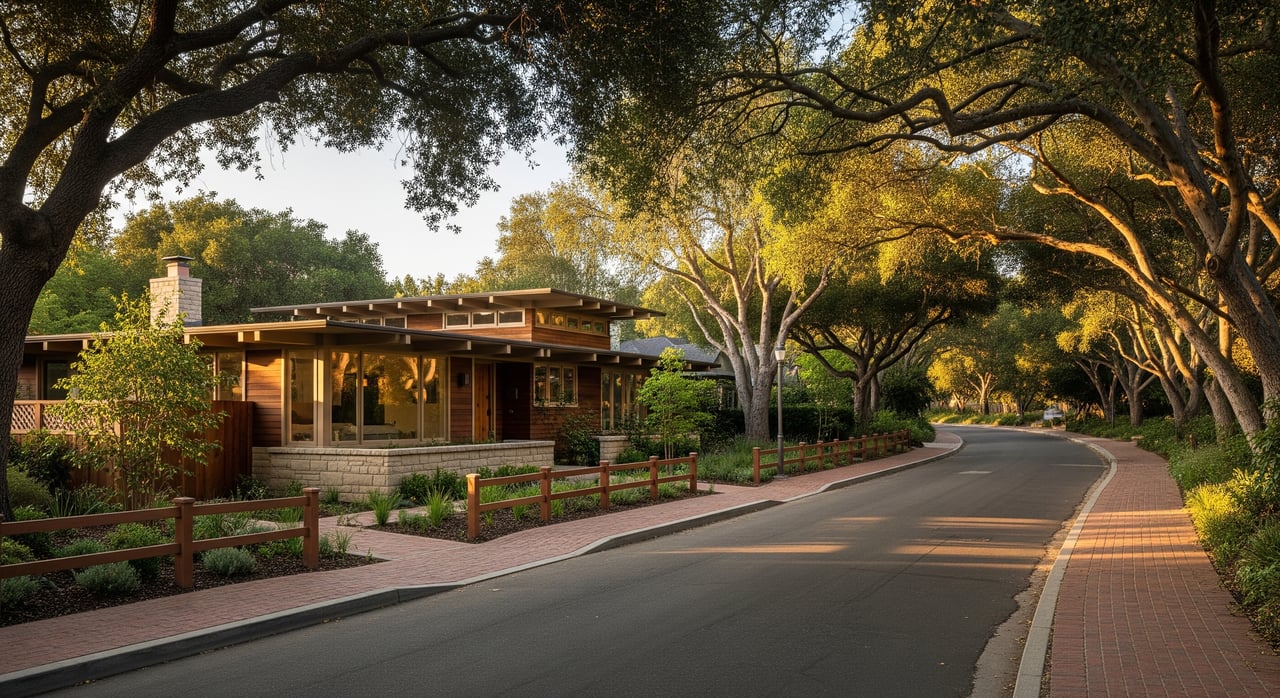
Do you want a quieter corner of Palo Alto without giving up daily convenience or access to Silicon Valley? You’re not alone. Many buyers ask for a small‑town rhythm: tree‑lined streets, a pocket of shops, and parks close enough for an easy evening walk. In this guide, you’ll find where that “quiet village” feel lives in Palo Alto, what daily life looks like, and the tradeoffs to consider. Let’s dive in.
A village vibe balances calm streets with just enough daily services nearby. You get leafy sidewalks, modest block sizes, and a small commercial node for coffee, groceries, and errands. You can bike to the train, stroll to a park, and still reach major job centers quickly.
If you like to compare areas, tools like Walk Score can give a quick read on walkability and bike‑friendliness. For zoning, historic context, and neighborhood maps, start with the City of Palo Alto planning resources.
Day to day, Old Palo Alto feels quiet and residential. Mature trees, wide setbacks, and calm streets set an easy pace. You’ll often see neighbors walking dogs after dinner or chatting on front lawns.
Homes are early 20th‑century classics alongside tasteful renovations. Lots tend to be larger than average, which adds to the serene feel. You can bike to downtown’s University Avenue for dining and services, though walkability varies block by block.
The commute is simple by bike or car to Caltrain and Peninsula job hubs. The main tradeoffs are high prices, limited inventory, and a strong preservation mindset that can constrain large rebuilds.
If you like tidy bungalow blocks near Stanford, College Terrace delivers a close‑in, collegiate vibe. Streets form a simple grid with sidewalks, small front yards, and a comfortable pace. It feels compact and connected without being busy.
Homes are smaller to mid‑sized, with many single‑story cottages and early 1900s bungalows. Daily life is easy by foot or bike to cafes and small services. You can reach University Avenue or parts of Stanford quickly.
The commute is among the most convenient in Palo Alto for campus or Caltrain access. Expect smaller lots, strong demand, and competitive bids when a well‑located home comes to market.
Centered on California Avenue, this area reads most like a traditional Main Street. You have a farmers market rhythm, coffee on the corner, and a compact run of cafes and shops. Residential streets just behind the avenue are calmer and tree‑lined.
Housing ranges from modest mid‑century homes to townhomes and duplexes. Daily errands are straightforward on foot, which gives the area a strong neighborhood identity. The Caltrain stop on California Avenue adds flexibility for commuting up and down the Peninsula.
Near the avenue, you may notice daytime activity and some parking pressure. If you prefer more serenity, look a few blocks off the commercial core.
These are neighborhoods where civic amenities define the day. Think of a short walk to the library, community classes, playgrounds, and open green space. It feels like a small town with steady sparks of activity.
Homes are primarily single‑family, with mid‑century designs common and a smattering of newer renovations. With parks and community centers close by, you can keep most recreation on foot.
Transit options are solid by bus and bike. The tradeoff is a bit more daytime movement near civic hubs and main roads, which some buyers see as a fair exchange for easy access to programs and parks.
Professorville blends history with calm streets and porch‑friendly facades. It’s a place where architectural detail and mature landscaping matter, and the overall tone stays low‑key.
You’ll find restored early 20th‑century homes in a range of styles. Parts of the neighborhood are walkable to downtown and Stanford, with small parks scattered nearby. If you enjoy the story of older homes, the Palo Alto Historical Association offers helpful context.
Like Old Palo Alto, prices and turnover are tight. Expect a preservation ethos and a measured approach to new construction.
These areas feel residential and green, with mid‑century homes and larger lots. The experience is serene on most blocks, and there are small parks and schools within a short walk in many directions.
While primarily suburban in tone, you’re a quick bike or drive to downtown’s services. If your top priority is a quiet street with good access across town, this area offers a balanced option.
The tradeoff is that you’re less immediately walkable to a main street commercial strip than in the California Avenue or College Terrace areas. Many residents rely on short drives for larger errands.
Most of Palo Alto is served by Palo Alto Unified School District. Parents value the district’s programs and proximity of schools to neighborhood parks. Because boundaries can change, confirm any address with PAUSD before you decide.
Parks like Mitchell Park and Rinconada Park anchor daily life for many residents. In village‑style areas, you can usually walk 5 to 10 minutes to green space or a playground. Community centers host classes and events that give neighborhoods a steady pulse.
For local updates on projects or neighborhood news, check the Palo Alto Weekly. It’s a useful way to spot changes that could affect traffic, parking, or the feel of a specific block.
Proximity to Caltrain is a big plus for a village lifestyle because it supports walking and biking for short trips. Many buyers choose to bike to the station, then commute by train up or down the Peninsula. Across town, traffic‑calmed streets and bike routes make cross‑neighborhood errands practical.
If you drive, you’ll have quick access to 101 and 280. Just remember that homes near major arterials or rail can experience more noise. Visit at different times of day so you know how a specific block feels.
Palo Alto is one of the most competitive markets in the country. Single‑family homes in these neighborhoods often attract multiple offers, and the most charming homes near Caltrain or a village core can move fast. Inventory stays tight, especially on heritage blocks.
Many streets favor preservation. Zoning is predominantly single‑family, with specific rules for setbacks, height, and lot coverage. Review the City of Palo Alto for current zoning guidelines and any historic review processes that could affect renovations.
If you plan to expand, consider an ADU or targeted updates that respect the neighborhood’s character. Confirm permits, parcel history, and feasibility with the City before you commit.
Use this quick checklist when you tour:
Village‑style homes in prime locations often trade quickly. Some never reach the open market. If you want options beyond public listings, a private client channel can help you see homes early and move fast.
You may also want design guidance before you bid. A clear plan for light renovations or an ADU can improve daily living and future value, but it should fit local zoning and neighborhood character. Thoughtful changes typically make the biggest difference on these streets.
If you’re comparing Old Palo Alto to California Avenue, or College Terrace to Crescent Park, we can help you weigh tradeoffs at the block level. We combine local insight with design and construction literacy so you can buy with confidence and plan your first upgrades smartly.
Ready to find your quiet village corner in Palo Alto? Schedule a Private Consultation with Jackie Schoelerman to explore on‑ and off‑market options that fit your lifestyle.
Stay up to date on the latest real estate trends.
Buyer
June 23, 2026

Buyer
June 23, 2026
Buyer
June 23, 2026
Buyer, Seller< Main
June 18, 2026
June 18, 2026
Buyer
June 17, 2026
We Guide Homeowners through the complicated process of selling their home using our 4 Phase Selling Process and 3 Prong Marketing Strategy that alleviates their stress and moves them effortlessly to their next destination. Schedule a 15 Minute Complimentary Strategy Session Today