What You Need To Know About Down Payment Assistance Programs
Keeping Current Matters January 7, 2026
Buyer
Keeping Current Matters January 7, 2026
Buyer
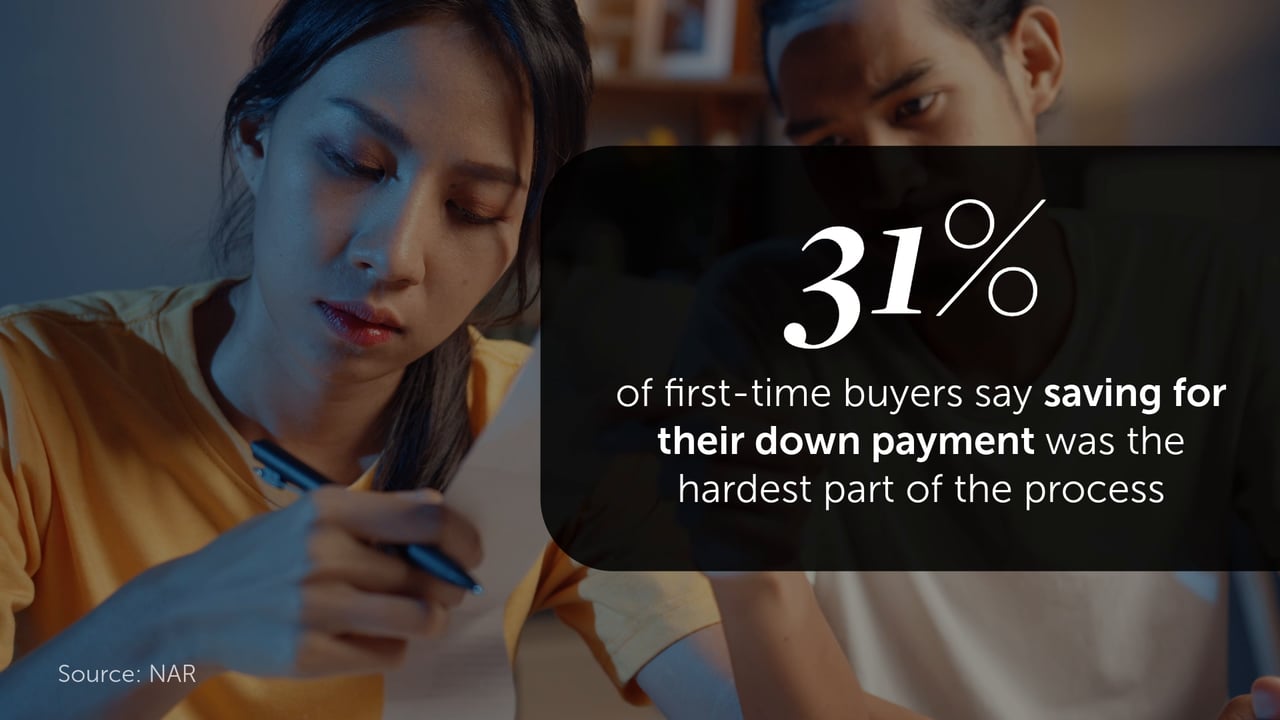
For many buyers, the hardest part of purchasing a home isn’t choosing the neighborhood or negotiating the price — it’s getting the upfront cash together.
Multiple studies and surveys consistently point to the same theme: saving for a down payment is one of the biggest barriers to homeownership. For example, a 2017 renter survey summarized by the Urban Institute found 68% of renters cited saving for a down payment as an obstacle. Urban Institute And Bankrate has reported that some buyers do receive help — including down payment assistance or first-time buyer grants — as part of how they make the leap into ownership. Bankrate
The good news: down payment assistance (DPA) exists specifically to bridge that gap. Here’s what it is, how it works, and how to explore options without getting overwhelmed.
Down payment assistance refers to programs that help eligible homebuyers cover some (and sometimes all) of their down payment and/or closing costs.
These programs are often offered through:
State housing finance agencies
Cities and counties
Nonprofit housing organizations
Employers or community groups
Some lenders (as special programs or partnerships)
HUD notes that assistance commonly comes as grants, deferred-payment loans, or below-market-rate loans (and other structures). HUD Exchange
Not all DPA is the same — and the fine print matters. Here are the most common structures you’ll see:
What it is: Money that does not need to be repaid (if you meet program rules).
Typical catch: Often requires you to live in the home as your primary residence for a set period, and may have income limits.
What it is: A “silent” second loan that may be forgiven after you stay in the home for a certain number of years.
Typical catch: If you sell or refinance too soon, you may have to repay some or all of it.
What it is: A second loan where payments are deferred (often until you sell, refinance, or pay off the first mortgage).
Example: California’s CalHFA MyHome Assistance Program is structured as a deferred-payment junior loan to help with down payment and/or closing costs (subject to program terms and eligibility). CalHFA
What it is: A second loan with monthly payments, usually at a favorable rate.
Typical catch: The monthly payment affects how much you qualify for on the primary mortgage.
Every program is different, but many DPA programs consider factors like:
First-time homebuyer status (often defined as not having owned in the last 3 years — depending on the program) Consumer Financial Protection Bureau
Household income (sometimes based on area median income)
Credit score and debt-to-income ratio
Home price limits
Primary residence requirement
Homebuyer education course (common with many programs)
Also worth knowing: down payment help doesn’t always come only from DPA programs. Some loan types are designed to reduce the upfront cash hurdle:
FHA loans can allow a down payment as low as 3.5% for eligible borrowers. HUD
VA loans may allow no down payment for eligible servicemembers, veterans, and some surviving spouses. Consumer Financial Protection Bureau
USDA loans may offer no down payment for eligible buyers in qualifying areas (income and property eligibility apply). Consumer Financial Protection Bureau
Many buyers still believe this — but low down payment options and assistance programs exist. (The right answer is: it depends on your goals, loan type, and monthly payment comfort level.)
Some programs are income-restricted, but others serve moderate-income households — especially in high-cost areas where “moderate income” can still be substantial.
It can feel that way at first — but once you narrow it to 2–3 realistic program paths, it becomes manageable.
Down payment assistance can be extremely helpful — and it can also come with strings. Here are the key considerations I typically walk buyers through:
Repayment rules: Does it get forgiven, deferred, or repaid monthly?
Impact on your offer strength: In competitive markets, timelines and contingencies matter; some programs add steps.
Interest rate differences: Some programs pair with specific loan products that may have different rates or fees.
Resale/refinance restrictions: Some assistance requires payback if you refinance or sell within a certain window.
Funding availability: Many programs have limited funds and may pause when fully allocated.
The goal is to make sure the help you’re receiving truly improves your long-term position — not just the ability to close.
Here’s a simple, practical approach:
HUD provides starting points for homebuying programs by state and other homeownership resources. HUD
The CFPB also outlines where down payment funds can come from and flags common pitfalls. Consumer Financial Protection Bureau
You want someone who can quickly answer:
Which programs they can actually originate
What the timing looks like
How it affects your purchasing power and monthly payment
For example:
“DPA + slightly higher rate” vs “No DPA + longer saving timeline”
“Deferred second” vs “forgivable loan”
“Lower down payment” vs “more down payment for lower monthly payment”
A clear comparison usually makes the decision obvious.
In fast-moving markets, the best plan is the one you can execute smoothly. Sometimes that means targeting programs that are straightforward and reliable — even if the assistance amount is smaller.
Can down payment assistance be used for closing costs too?
Often yes — many programs allow assistance to cover closing costs and prepaid items, but it depends on the program. Consumer Financial Protection Bureau
Will using assistance hurt my chances of getting an offer accepted?
Not automatically. What matters is the strength of the overall package (financing certainty, timelines, contingencies, and terms). Some programs add extra steps, so we plan around timing.
Is DPA only for first-time buyers?
Many programs target first-time buyers, but not all. Some define “first-time” as not owning in the last three years. Consumer Financial Protection Bureau
If you’re thinking, “I could afford the monthly payment — I just need help getting in the door,” down payment assistance may be worth exploring.
If you’d like, I can help you:
Identify a few credible options to review (based on your goals and timeline)
Connect with a lender who understands these programs
Build a purchase strategy that fits the realities of our local market
Coldwell Banker Global Luxury
JACKIE (JALEH) SCHOELERMAN | Broker Associate
(650) 855-9700 | [email protected] | CalRE# 01092400
Note: This is general information, not financial or legal advice. Program availability and guidelines change, and eligibility varies by location and borrower profile.
Stay up to date on the latest real estate trends.

Buyer
September 21, 2026

Seller
September 18, 2026

Buyer
September 17, 2026

Buyer, Seller< Main
September 15, 2026
Buyer, Seller< Main
September 14, 2026

Seller
September 14, 2026
We Guide Homeowners through the complicated process of selling their home using our 4 Phase Selling Process and 3 Prong Marketing Strategy that alleviates their stress and moves them effortlessly to their next destination. Schedule a 15 Minute Complimentary Strategy Session Today